

OCTOBER 16, 2026
As a small business owner, you already have plenty on your plate at the end of the year. The last thing you want is uncertainty around payroll, wondering whether a small oversight could trigger a notice from the IRS or a state agency just as you are trying to close the books and plan for the year ahead. You want your employees paid accurately, your filings submitted on time, and your records clean, so you can focus on growth instead of corrections.
The challenge is that payroll rules do not stand still. In 2026, payroll tax and information-reporting requirements continue to require careful attention, and even well-run businesses can run into trouble if they rely on outdated tax tables, manual processes, or assumptions that no longer apply. While many payroll mistakes can be corrected with amended filings, penalties, interest, and the time required to untangle errors often make “fixing it later” far more expensive than getting it right from the start.
Rather than viewing payroll as a once-a-year obligation, the most successful small businesses treat it as an ongoing process that leads to a smooth, predictable year-end. With that mindset in place, here are the seven common year-end payroll mistakes, and how to avoid them before they create unnecessary risk.
Mistake 1: Using Outdated Tax Rates and Wage Limits
One of the most common sources of year-end payroll issues is using prior-year tax rates or wage bases in the current year. Federal and state withholding tables, Social Security wage limits, and other thresholds are updated regularly, and when payroll systems are not adjusted promptly, under- or over-withholding can occur throughout the year. These discrepancies often only become visible when year-end reports are reviewed, or forms are filed.
The most effective safeguard is to confirm early in the year that your payroll system is aligned with current federal, state, and local requirements. Businesses that rely on providers who automatically update tax tables significantly reduce the risk of discovering avoidable errors during filing season.

Mistake 2: Missing or Late Payroll Tax Deposits
Payroll taxes operate on a strict pay-as-you-go schedule, yet some businesses still assume they can reconcile everything at year-end. Missing or late deposits can trigger escalating penalties and interest, even when the underlying tax is eventually paid.
Automating payroll tax deposits according to your assigned federal and state schedules can significantly reduce the risk of missed deadlines, while regular review helps ensure deposits and filings remain accurate. When deposits are made consistently according to the employer’s assigned deposit schedule, compliance becomes part of the routine instead of something you have to remember during already busy periods.
Mistake 3: Misclassifying Employees and Independent Contractors
Worker misclassification continues to be one of the most costly payroll errors for small businesses. When individuals who should be treated as employees are paid as contractors, businesses may face back taxes, penalties, and interest at both the federal and state levels.
A practical starting point is to evaluate the degree of control and independence in the working relationship. The IRS considers factors such as behavioral control, financial control, and the type of relationship—not simply how, when, or where the work is performed. When classification questions arise, businesses should review the full circumstances and seek qualified tax or legal advice when appropriate.
Mistake 4: Overlooking State and Multi-State Payroll Requirements
With remote and hybrid work now commonplace, many small businesses have payroll obligations in more than one state. Each jurisdiction has its own rules for tax withholding, wage laws, and reporting, and failing to account for those differences can lead to compliance gaps that surface at year-end.
Identifying where employees actually perform their work and ensuring proper state registrations are in place throughout the year helps prevent last-minute surprises. Payroll systems designed to handle multi-state complexity can apply the correct rules automatically and ensure year-end forms align with each state’s requirements.
Mistake 5: Inaccurate or Incomplete Year-End Forms
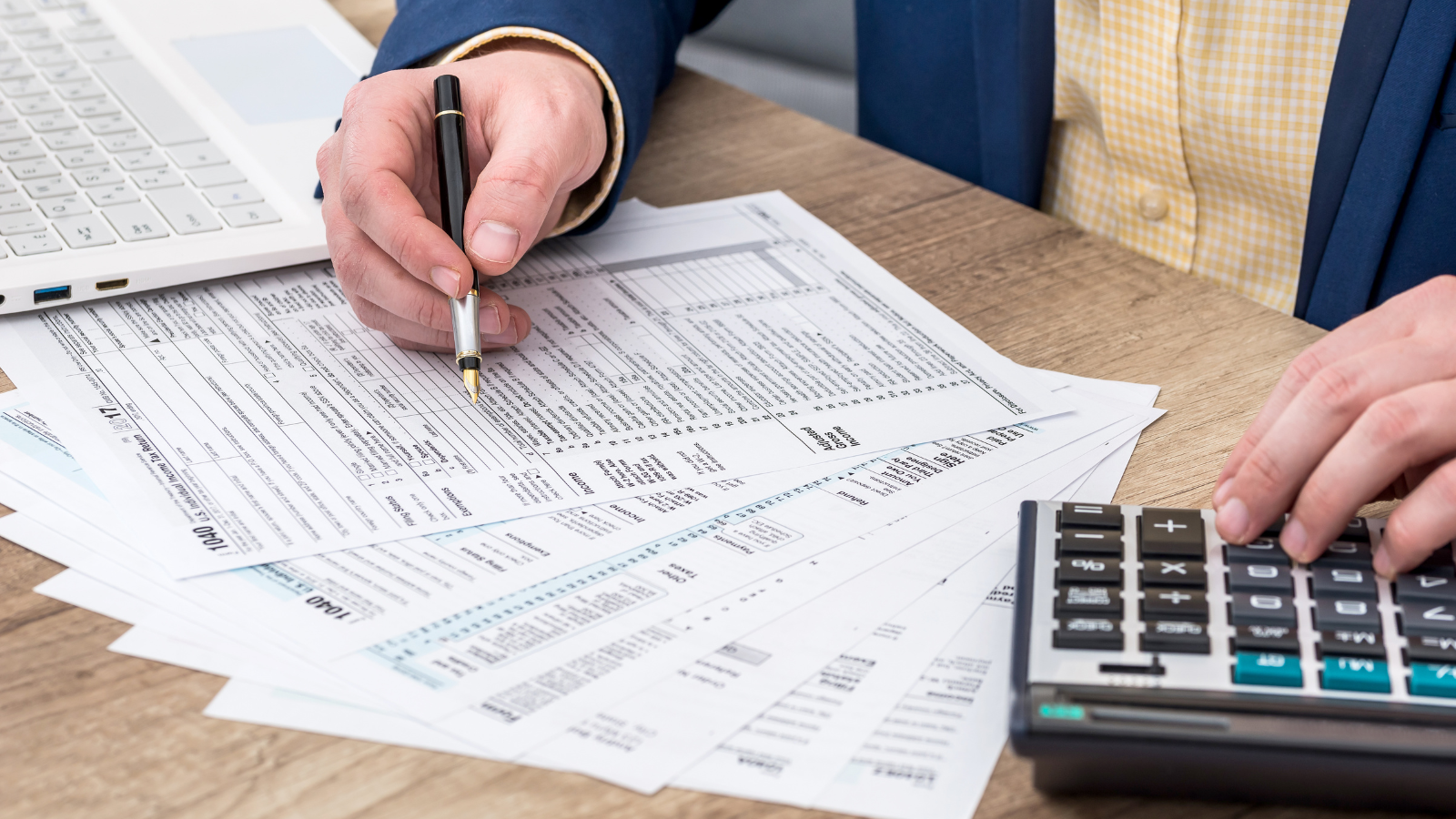
Errors on Forms W-2, 1099, or related filings—such as incorrect names, taxpayer identification numbers, or wage/payment amounts—can cause problems for employees or contractors and may result in penalties for incorrect information. These mistakes can result from inconsistent employee or contractor information, payroll data errors, or insufficient review before forms are filed.
Treating data accuracy as an ongoing priority makes year-end reporting far smoother. Verifying employee information at hire, reconciling payroll reports with accounting records, and reviewing totals before filing all reduces the likelihood of corrections after forms are issued.
Mistake 6: Weak Recordkeeping and Documentation
Payroll accuracy depends not only on calculations but also on the records that support them. Missing time records, incomplete PTO documentation, or unclear adjustment histories can create problems during audits or employee disputes and make year-end reconciliation far more difficult.
Integrated timekeeping and payroll systems help ensure that hours, wages, and deductions are supported by clear documentation. When records are centralized and consistent, responding to questions - whether from employees or tax agencies - becomes faster and far less stressful.

Mistake 7: Waiting Until Year-End to Reconcile
One of the most preventable mistakes is postponing reconciliation until the end of the year. When discrepancies are discovered months after they occur, correcting them requires additional time, amended filings, and sometimes corrected employee forms.
Building reconciliation into monthly or quarterly routines allows businesses to catch and resolve small issues early. By the time year-end arrives, payroll review becomes a confirmation step rather than a discovery process.
From Risk to Readiness
Taken together, these mistakes share a common theme: payroll problems tend to arise when processes are manual, reactive, or based on assumptions rather than current rules. A proactive payroll strategy keeps data current, deposits timely, and records audit-ready well before year-end.
How Payroll Vault Helps
Payroll Vault helps businesses stay current with federal, state, and local payroll requirements, automate tax calculations and deposits, manage multi-state payroll needs, and prepare accurate, timely year-end forms. Just as importantly, we serve as an ongoing advisory partner, helping you understand payroll implications as your business evolves.
If you are unsure whether your payroll is truly ready for year-end or want to reduce the risk of IRS penalties in 2026, contact Payroll Vault to schedule a payroll review and start the year with confidence.
Q&A: Common Year-End Payroll Questions
What are some common year-end payroll mistakes small businesses make?
Common issues include using outdated tax information, missing tax deposits, misclassifying workers, overlooking state requirements, and submitting incorrect year-end forms.
How serious are payroll tax penalties?
Penalties and interest can accumulate quickly, particularly for late deposits or incorrect filings, making proactive compliance far less costly than corrections.
When should I review worker classification?
Worker classification should be reviewed whenever the nature of a working relationship changes or when hiring contractors, remote workers, or other nontraditional workers. The IRS considers the full relationship, including behavioral control, financial control, and the type of relationship.
What payroll records should I keep?
Maintain records of hours worked, wages, tax withholdings, benefits, time off, and filed returns, ideally in an integrated digital system.
How does Payroll Vault help at year-end?
Payroll Vault helps automate payroll processes, manage filings, and provides expert guidance throughout the year so that year-end is smoother, more accurate, and predictable.